
📊 Data Modeling Certification & Training Guide
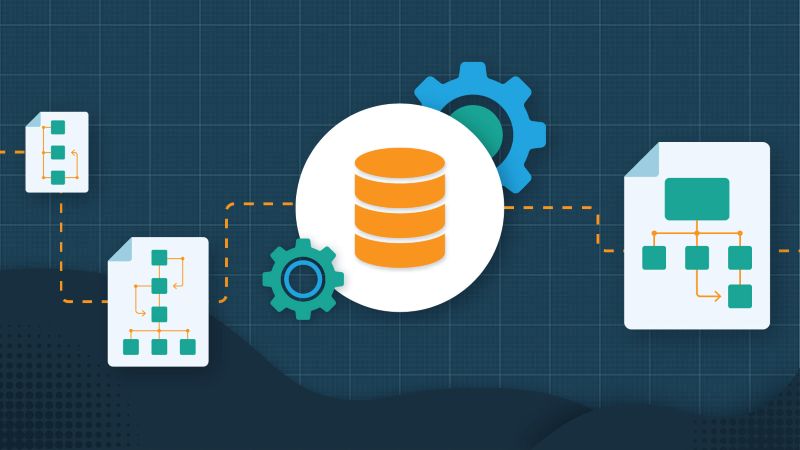
Data Modeling is the fundamental process of visualizing and designing how data is stored, connected, and accessed within a database. This guide explores the essential skills required to become a professional Data Modeler, from conceptual design to physical implementation.
⚡ Program Highlights
-
25 Hours of Live Expert Training: Deep dive into the creation of logical and physical data models.
-
12 Hands-on Assignments: Practical exercises focusing on normalization and schema design.
-
2 Real-world Projects: Architect a complete database structure from scratch based on business requirements.
-
Lifetime Access: Permanent entry to the LMS, including all live session recordings and resource guides.
🧭 Course Syllabus & Learning Path
This curriculum is designed to transform aspirants into master Database Modelers, ETL/BI Developers, and DBAs.
1. Fundamentals of Data Modeling
-
Modeling Concepts: Understanding Conceptual, Logical, and Physical data models.
-
ER Diagrams: Mastering Entity-Relationship modeling and cardinality.
2. Schema Design & Optimization
-
Normalization: Applying 1NF, 2NF, and 3NF to eliminate data redundancy.
-
Dimensional Modeling: Learning Star and Snowflake schemas for Data Warehousing.
3. Attributes & Relationship Management
-
Data Types & Attributes: Defining primary keys, foreign keys, and metadata.
-
Simplifying Models: Techniques for streamlining complex enterprise data structures.
4. Advanced Database Implementation
-
Forward & Reverse Engineering: Generating DDL scripts from models and vice versa.
-
Tools of the Trade: Practical exposure to industry-standard modeling software.
🏆 Why Choose Data Modeling?
-
Foundation of Business Intelligence: High-quality analytics start with a solid data model.
-
Critical Career Path: Essential for anyone moving into Big Data, Data Engineering, or Database Administration.
-
Global Demand: Certified Data Modelers are vital in sectors ranging from FinTech to Healthcare to ensure data integrity.
🛠️ Key Training Features
-
Real-life Case Studies: Learn via actual industry scenarios to understand how data flows in large organizations.
-
24/7 Technical Support: A dedicated team available to resolve queries related to database environments and tools.
-
Job Assistance: Resume preparation and placement support with a global network of over 200 hiring partners.
Curriculum
- 8 Sections
- 0 Lessons
- 25 Hours
- Module 1: Introduction to Data ModelingThis module introduces data modeling concepts, data architecture fundamentals, business requirements analysis, data lifecycle management, and the importance of structured data design. Students will learn how data models help organizations manage, organize, and utilize information effectively.0
- Module 2: Conceptual, Logical, and Physical Data ModelingStudents will learn conceptual data models, logical data models, physical data models, entity identification, business rules, and model transformation techniques. The module focuses on designing data structures from business requirements to database implementation.0
- Module 3: Entity Relationship Modeling and Database DesignThis module covers entities, attributes, relationships, cardinality, ER diagrams, normalization concepts, relational database design, and schema development. Students will learn how to create efficient and scalable database structures.0
- Module 4: Advanced Data Modeling TechniquesStudents will explore normalization, denormalization, dimensional modeling, star schema, snowflake schema, data warehouse modeling, and analytical data structures. The module focuses on designing enterprise-grade data solutions.0
- Module 5: Data Modeling Tools and Industry Best PracticesThis module introduces industry-standard data modeling tools, modeling standards, metadata management, model governance, version control, and documentation practices. Students will learn how to maintain high-quality and reusable data models.0
- Module 6: Data Warehousing and Dimensional ModelingStudents will learn fact tables, dimension tables, surrogate keys, slowly changing dimensions (SCDs), OLAP concepts, and data warehouse architecture. The module focuses on designing analytical systems for business intelligence and reporting.0
- Module 7: Modern Data Modeling and Cloud Data ArchitectureThis module covers cloud databases, NoSQL databases, Data Lakes, Data Vault Modeling, modern data platforms, scalable architectures, and data governance frameworks. Students will learn how data modeling adapts to modern cloud and big data environments.0
- Module 8: Real-Time Projects, Certification, and Career PreparationStudents will work on real-world data modeling projects involving database design, data warehouses, business intelligence solutions, and cloud-based data architectures. The module also includes interview preparation, case studies, resume building, and career guidance for roles such as Data Modeler, Data Architect, Database Designer, Data Engineer, and Business Intelligence Developer.0

Courses you might be interested in
-
0 Lessons
-
0 Lessons
-
0 Lessons
-
0 Lessons